Home / In use
03 / Field notesWhere the units
end up.
We spec for the place the unit will actually live — not for a spec sheet. Four situations that decide most of our configuration choices.
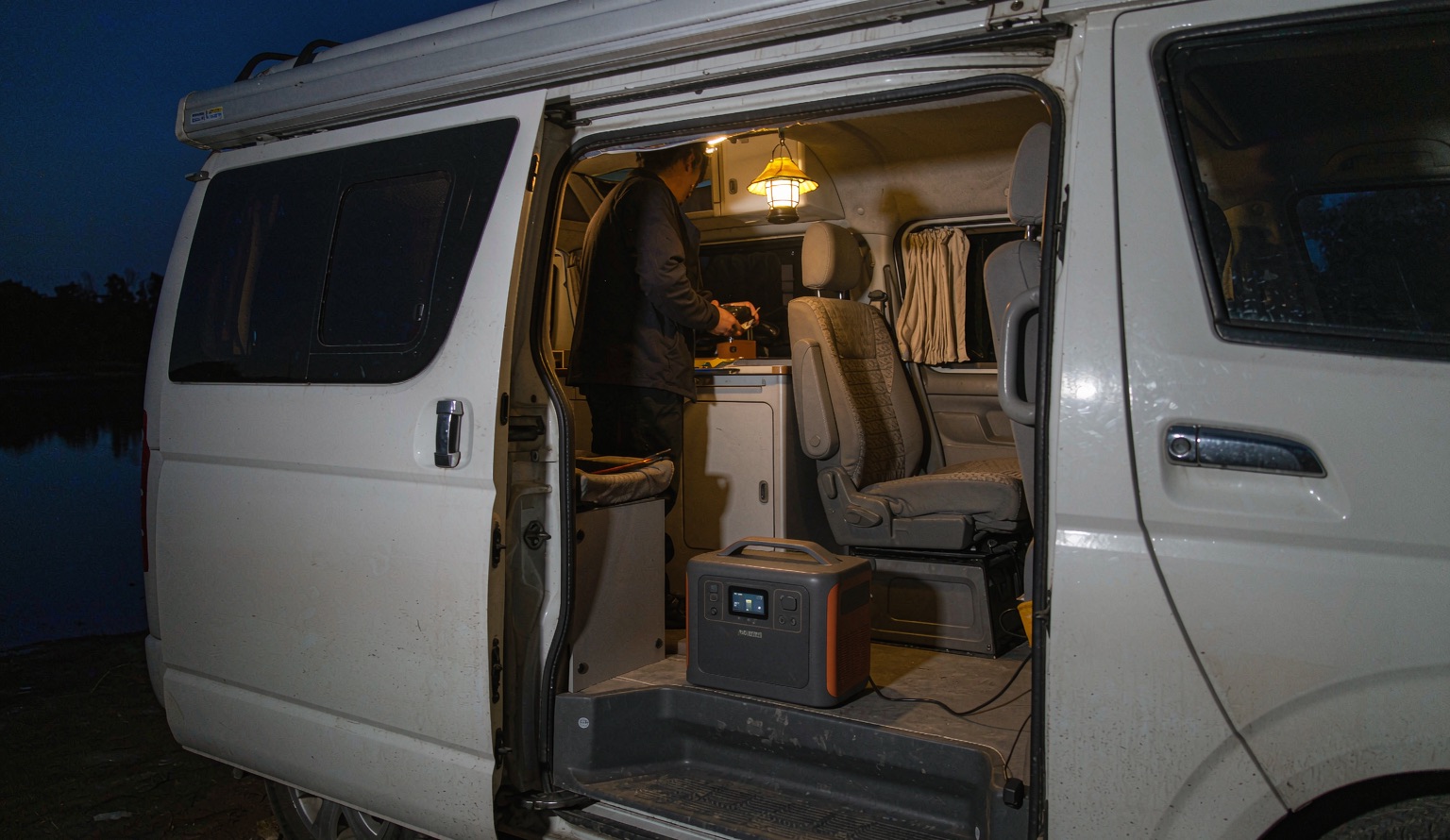
All night,
no generator.
A 12V fridge, a string of lights and a phone charging — quietly, for the whole night. In this scenario runtime at low continuous load matters far more than peak output, and silent operation matters more than either.
Low-load runtime · 12V output · solar input · noise · carry size
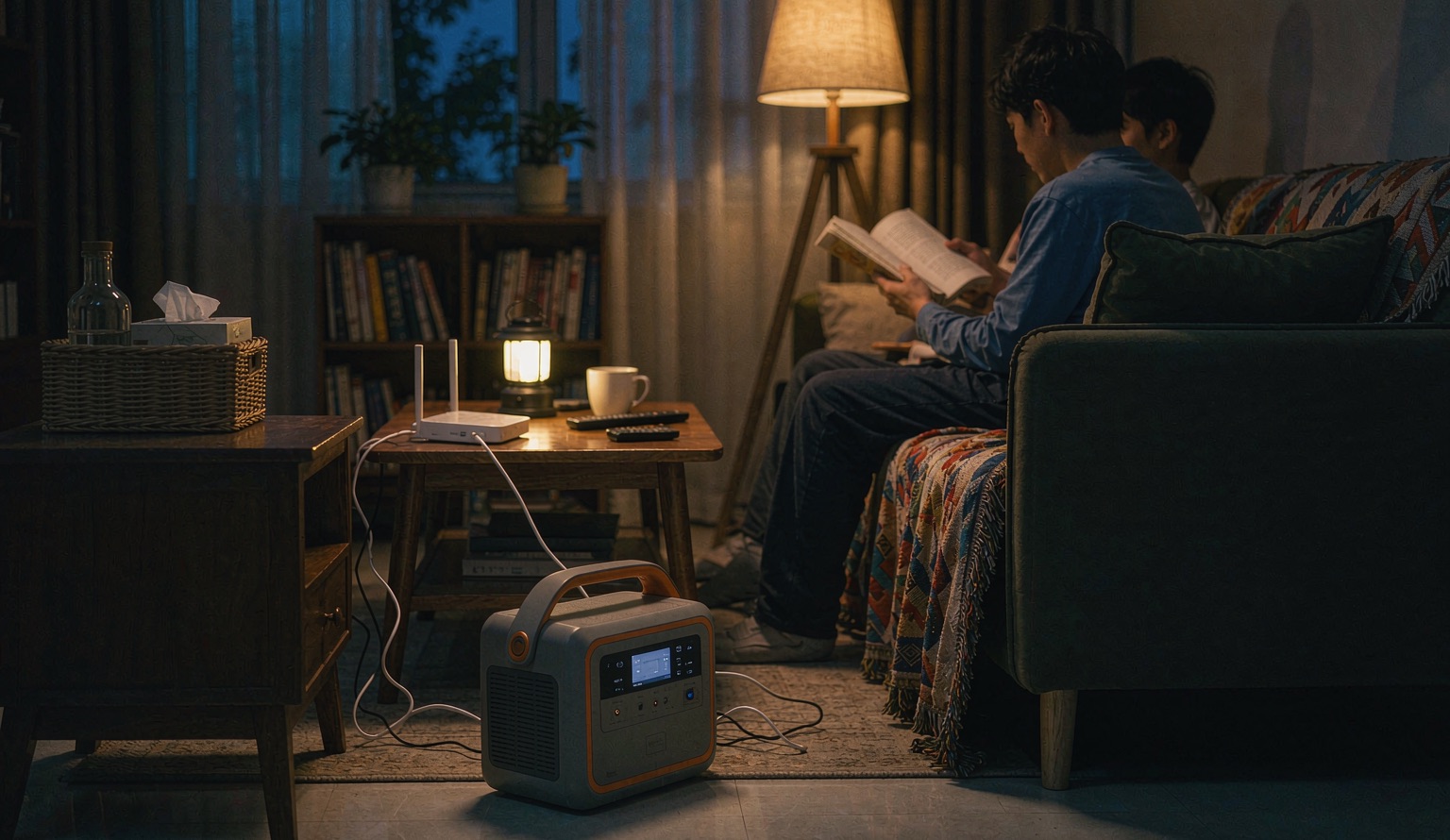
Light, router,
a bit of calm.
During an outage nobody wants to read a manual. The unit has to be simple to plug in, safe indoors, and able to keep a lamp and a router alive for hours. For larger homes this becomes a home-storage conversation instead.
UPS switchover · AC socket standard · indoor safety · display clarity
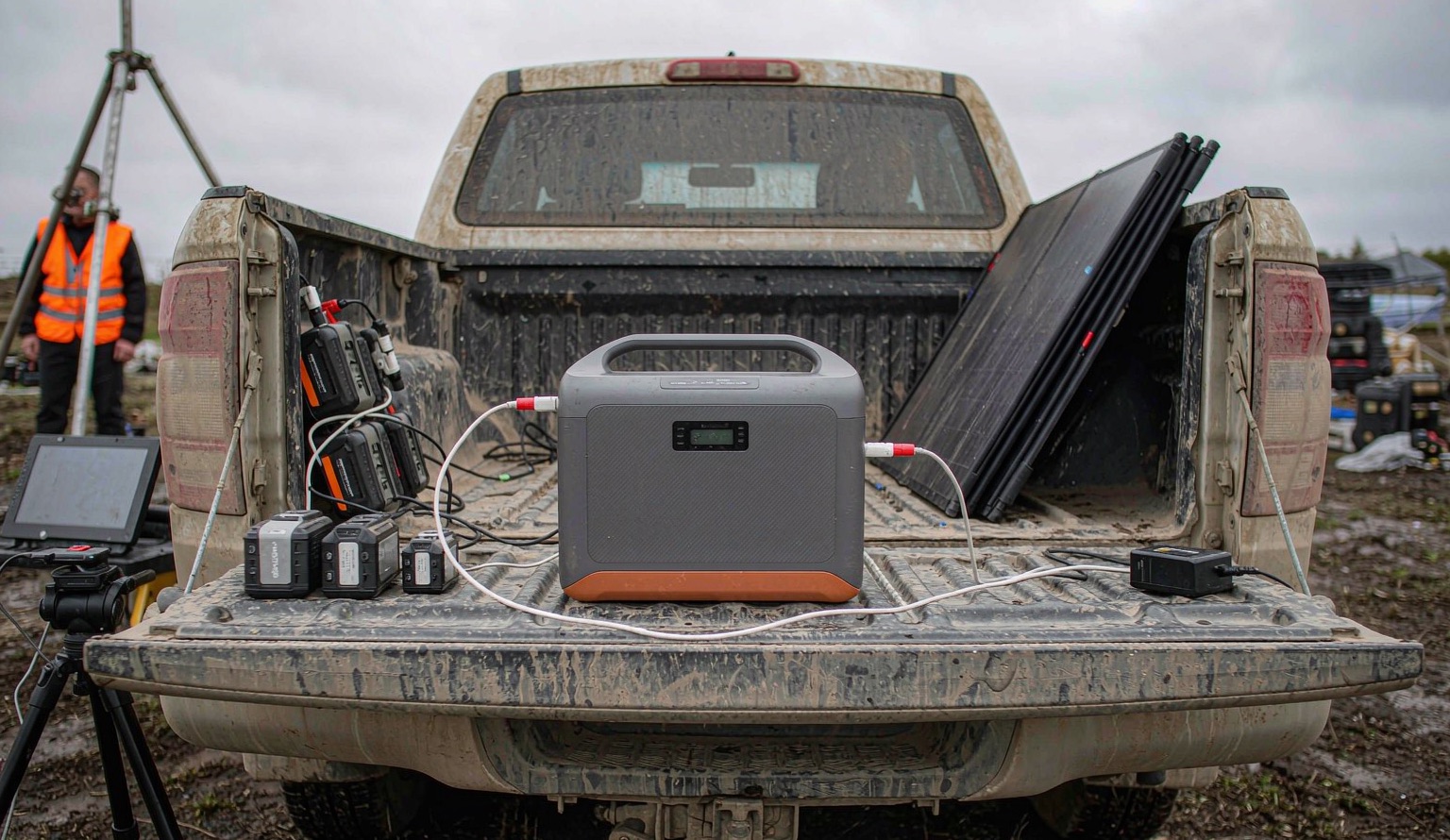
A field crew's
power desk.
Camera batteries, drone packs, a monitor and a folded solar panel leaning on the tailgate. Here it's about many simultaneous outputs, a rugged enclosure and connectors the crew already uses.
Port count · USB-C PD · XT60 / MC4 · enclosure · carry case
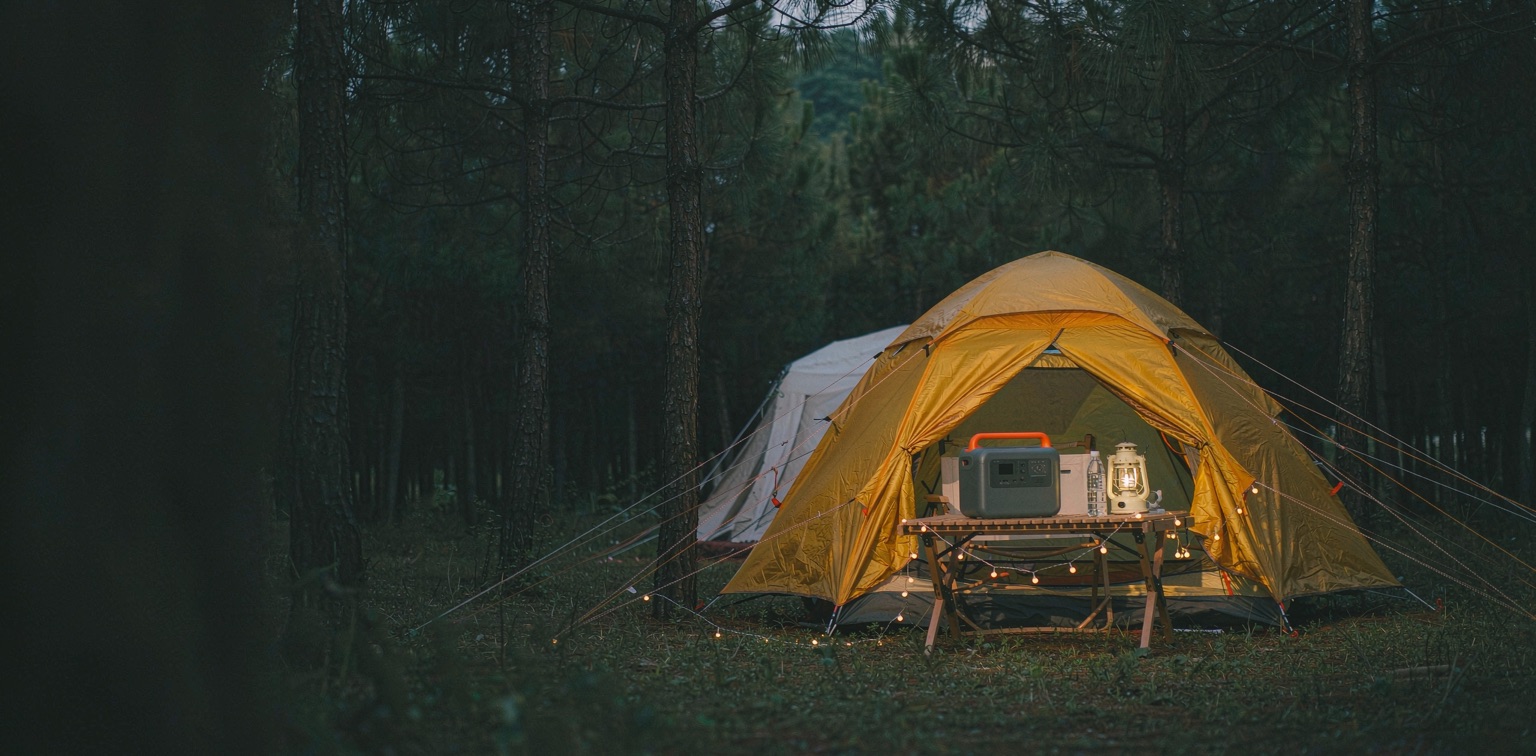
The reason
people buy one.
Specs don't sell this. A warm tent, a laptop, a string of lights and no anxiety about the battery do. It's also the scenario most often ruined by a product that looks right on paper but is the wrong size in the boot.
Form factor · weight · solar recharge · bundled kit · retail box
Spec backwards
from the scene.
Most configuration mistakes come from starting with a number instead of a situation. Here's how we'd work through yours.
Tell us the scene
"Van conversion customers in Germany" is more useful to us than a wattage number. We'll ask where the unit lives and who plugs it in.
We spec backwards
From the scene we work back to ports, runtime, enclosure and packaging — then put the trade-offs in the build plan.
You approve a sample
A real unit in your own conditions, before any run. If the scene doesn't feel right, the spec isn't right.
The photographs on this page are illustrative stand-ins, not documentary evidence of customer use. They will be replaced with real production and on-location photography before launch.